

Our pet policy

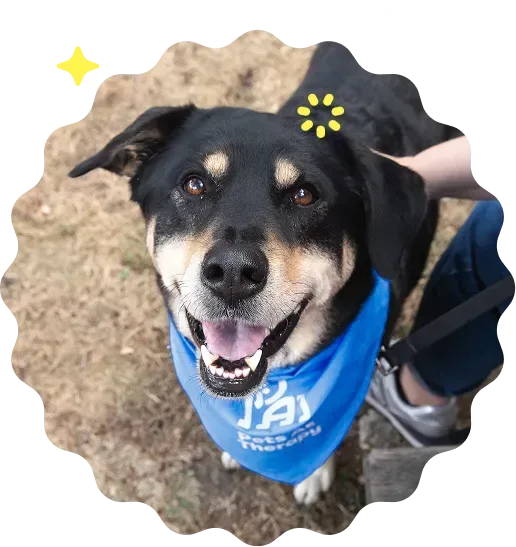

Why we have a pet policy
Our pets bring comfort, connection and joy everywhere they go – and keeping them safe, happy and healthy is at the heart of everything we do.
Our pet policy outlines the standards and procedures governing the application, selection and visiting processes for PAT Pets. It ensures the health, safety and wellbeing of the animals and the individuals they visit.
We follow clear standards for welfare, behaviour and hygiene – always putting the wellbeing of our dogs and cats first. PAT visits can only take place in registered establishments and volunteers must be competent, responsible and accountable for their pet's care and conduct.

More about PAT Pets
Every dog and cat is individually assessed, and all our PAT Pets are:
- At least a year old and have lived with their owner for a minimum of nine months.
- Healthy, fully vaccinated and on regular flea/worm treatment in line with their vet's recommendations (homeopathic vaccinations and titre testing are not acceptable).
- Given a diet free of raw meat, raw bones and raw chews – to protect the health of the people we visit.
- Friendly, confident and enjoy meeting new people.
- Calm around other animals and in different environments with unusual noises.
- Comfortable being handled gently.
- Happy to walk nicely on a lead.
Not all pets enjoy being fussed over and meeting new people – and that's perfectly okay. We want our PAT Pets to LOVE going on PAT visits.
We ask that you disclose known health conditions. Certain medical conditions will require further review or a vet letter; some sadly mean a pet cannot be a PAT Pet if a condition is detrimental to its health.
Pets As Therapy does not register school pets or workplace resident pets.
Becoming a PAT Pet does not qualify your pet as an Emotional Support Animal.


Assessment process
Each volunteer and pet are assessed as a team. We look for pets who:
- Enjoy fuss and human contact.
- Are relaxed, steady and polite on the lead.
- Take treats gently.
- Don’t jump up, bark excessively or show signs of stress.
- Are happy being touched on their paws, ears and tail.
We also confirm the volunteer can confidently read their pet’s needs.
Our assessments are carried out by an approved PAT Volunteer Assessor. The assessments are supportive and designed to help everyone succeed – while keeping visits joyful and safe.
If you and your pet do not meet the required standard, you will be provided with a clear explanation and guidance on aspects that need to be improved. A timeline for a reassessment will be set.

PAT visits
It is important that PAT visits are not to the detriment of a pet’s health and wellbeing, therefore during a visit PAT Volunteers must:
- Keep their pet on a static lead and not hand control of their pet to anyone else.
- Keep hygiene front and centre (everyone should clean their hands before and after contact with a pet).
- Make sure their PAT Pet is healthy, clean and groomed.
- Only bring one registered PAT Pet.
- Supply treats as required and discourage the feeding of human treats.
- Not take toys as these can distract the pet from the visit and present a risk as they are generally held in a pet’s mouth.
- Make sure their pet is relaxed and enjoying every moment.
Visits usually last up to two hours (per day) – but you should always follow the pet’s lead. A visit should be stopped if there are any concerns about dog or human behaviour, health, wellbeing or any other factor that is not conducive to the wellbeing of the dog or beneficiary.
Pausing visits
Our priority is your pet's health and wellbeing. Therefore, occasionally, it is necessary to postpone or cancel a visit. We pause visits if:
- A pet is unwell or recovering from an operation.
- The weather is too hot or dangerously cold.
- A pet has recently had flea/tick treatment (48‑hour pause).
- A dog has received certain live vaccines.
Your pet is in season.
We always prioritise pet welfare – their wellbeing guides every decision.

Incidents
Occasionally, an adverse incident may occur during a visit. All incidents must be reported to PAT Head Office within 24 hours. PAT will investigate the incident and may suspend your visits during the review.
Retirement
As pets age, their behaviour and energy may change. When visits stop being enjoyable, it may be time for a gentle, loving retirement. We trust volunteers to recognise these signs and support them through making this decision.